ireless smart locking and access control systems have transformed the way commercial, heritage and multi-site facilities manage security. By removing the need for hard‐wired systems wireless access control delivers flexibility, scalability and a cleaner aesthetic finish without compromising on security or compliance.
However, not all wireless access control systems are created equal. Performance, security, durability and long-term operational cost can vary dramatically between solutions. Choosing the right wireless locking system requires careful consideration of your building, your operational needs and your long‐term security strategy.
In this guide, we break down the key factors you should evaluate when selecting a wireless smart locking system and why high‐quality wireless access control is fast becoming the preferred choice for modern and heritage commercial buildings across Ireland.
Understanding Wireless Access Control Systems
Wireless access control systems use electronic locking devices such as smart handles, cylinders, and padlocks that communicate wirelessly with management software rather than relying on door‑to‑door cabling.
This approach enables:
- Faster and less invasive installations
- Reduced disruption to occupied buildings
- Greater flexibility for future expansion
- Seamless deployment in heritage or protected structures
Wireless systems are available in multiple forms and selecting the correct one is critical to long‑term success.
First Consideration: How Do You Want to Manage Your System?
One of the most important decisions when choosing a wireless access control system is how you want to control and manage your locks.
Local Management
Some wireless locking systems are programmed locally at the door using laptop or PC‐based software. These solutions are ideal for:
- Single buildings or small sites
- Facilities with limited users
- Organisations that prefer on‐premise control
Centralised Cloud Management
More advanced wireless access control platforms allow you to manage hundreds or thousands of locks across multiple sites from a single cloud‐based interface. These systems are ideal for:
- Multi‐site organisations
- Property portfolios
- Shared office and serviced workspace operators
- Facilities requiring remote administration
Choosing a wireless lock that supports your preferred management approach and can scale with your organisation is essential.
Environmental Performance: Where Will the Locks Be Used?
Wireless locks behave very differently depending on their environment. Understanding where and how the locks will be used is critical to achieving long‐term reliability.
Key questions to consider:
- Are the locks installed internally or externally?
- Will they be exposed to rain, moisture, or extreme cold?
- Are the doors high‐usage or critical access points?
- Is vandal resistance a concern?
Low‐quality wireless locks often fail prematurely when exposed to harsh environments or heavy usage. Commercial‐grade wireless locking devices are specifically engineered to withstand these challenges, ensuring consistent performance over many years.
Security Levels: Digital and Physical Must Match
A common misconception is that all wireless locks provide the same level of security. In reality, security varies significantly between systems.
Digital Security Considerations
Some wireless locks:
- Support only low‐security credential technologies
- Use weak encryption
- Operate on poorly secured software platforms
High‐security wireless access control systems use advanced encryption, secure credentials, and hardened software platforms designed for commercial and critical environments.
Mechanical Security Matters Just as Much
Equally important and often overlooked is the mechanical lock within the door.
There is little value in installing a high‐security wireless handle or cylinder onto a low‐grade latch or domestic‐style lock. The mechanical locking hardware must offer the same level of physical security as the electronic device controlling it.
Unfortunately, it is all too common to see wireless access control installed on bedroom‐type latch locks that provide minimal resistance to forced entry. A professional wireless access control solution must always treat the door as a complete security system not just an electronic upgrade.
Battery Life and Total Cost of Ownership
Battery performance is one of the most critical factors when selecting a wireless smart lock for commercial use. Battery life across wireless locks varies widely. Cheaper wireless locks often require frequent battery replacement, leading to:
- Increased maintenance costs
- Higher operational disruption
- Reduced reliability over time
Premium wireless locking systems are designed with ultra‐long battery life, significantly reducing ongoing maintenance and delivering a lower total cost of ownership over the system’s lifetime.
When evaluating wireless access control, it is essential to look beyond initial purchase price and consider the true long‐term operational cost.
Why Integrated Security and SimonsVoss Wireless Locking?
At Integrated Security, we are proud specialist partners of SimonsVoss Technologies, the industry‐leading manufacturer of premium wireless locking systems.
SimonsVoss wireless locks deliver:
- Exceptional build quality and durability
- Industry‐leading battery performance
- High‐security encryption and credentials
- Elegant, minimalist design
- Seamless integration into modern and historic buildings
Designed specifically for commercial environments, SimonsVoss wireless locking devices provide long‐term, reliable performance across a wide range of applications from high‐traffic office doors to sensitive heritage buildings.
With a comprehensive portfolio of wireless handles, cylinders and specialist locking solutions, we can design a fully cable‐free access control deployment tailored precisely to your building and operational needs.
Whether you prefer local software management or a fully cloud‐based platform capable of managing thousands of locks across multiple sites worldwide, we can design, install, and support a SimonsVoss wireless access control system that fits your requirements.
Case Study: Hamilton House, Dublin
Hamilton House is a five‐star serviced office suite located within a stunning Georgian building. The challenge was clear, deliver modern access control that met security, fire and emergency escape compliance without compromising the building’s historic character or running new cabling.
Using SimonsVoss wireless smart locking technology, we delivered a discreet, fully compliant access control system that blends seamlessly into the architecture of the building while providing modern security and management capabilities.
Hamilton House is a prime example of how wireless access control unlocks new possibilities for heritage and protected buildings, where aesthetics and preservation are just as important as performance.
Ready to Upgrade to Wireless Access Control?
If you are considering a wireless smart locking system for your facility whether modern, multi‐site or heritage Integrated Security can help you design the right solution from the ground up.
Get in touch with our team to discuss your requirements or to explore how wireless access control can transform your building securely, elegantly and without compromise.
About Integrated Security
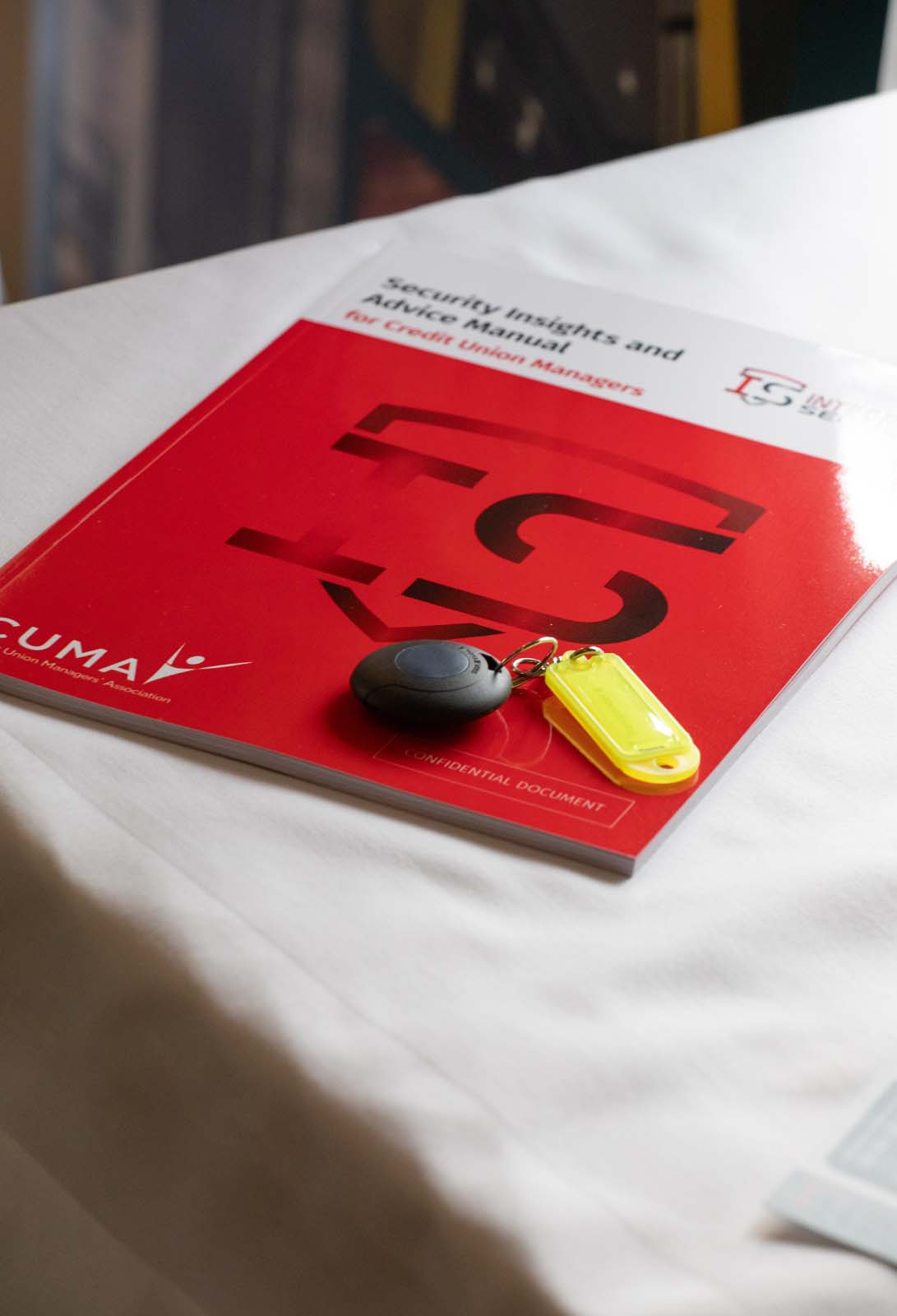
At Integrated Security we specialise in providing Smart Security Technology solutions to Credit Unions across Ireland helping them to become safer and more secure environments for both staff and members. If you have not received a copy of our Security Insights and Advice Manual tailored specifically to Credit Unions please email Killian at killian@integratedsecurity.ie to have a copy sent to you.

Killian D’Arcy
Director & Electronic Locking System Engineer